

“Better eating doesn’t just nourish your child—it gives parents peace.”
Feeding & Swallowing
-

Bottle Feeding Difficulties or Aversions
Bottle feeding is not always as straightforward as it may seem. Some babies may have difficulty latching to the bottle, coordinating sucking, swallowing, and breathing, or may show resistance during feeds. Digestive discomfort, including reflux, can further impact feeding by contributing to fussiness, frequent spit-up, slower weight gain, or feeding refusal.
When bottle feeding is challenging, babies may be supported through alternative feeding approaches such as paced bottle feeding, use of specialized bottles or nipples, cup feeding, spoon feeding, syringe feeding, or temporary supplemental feeding methods, depending on a baby’s needs and developmental stage. The goal is always to support safe, comfortable feeding while honoring each family’s feeding preferences and goals.
-

Transitioning to Solid Food
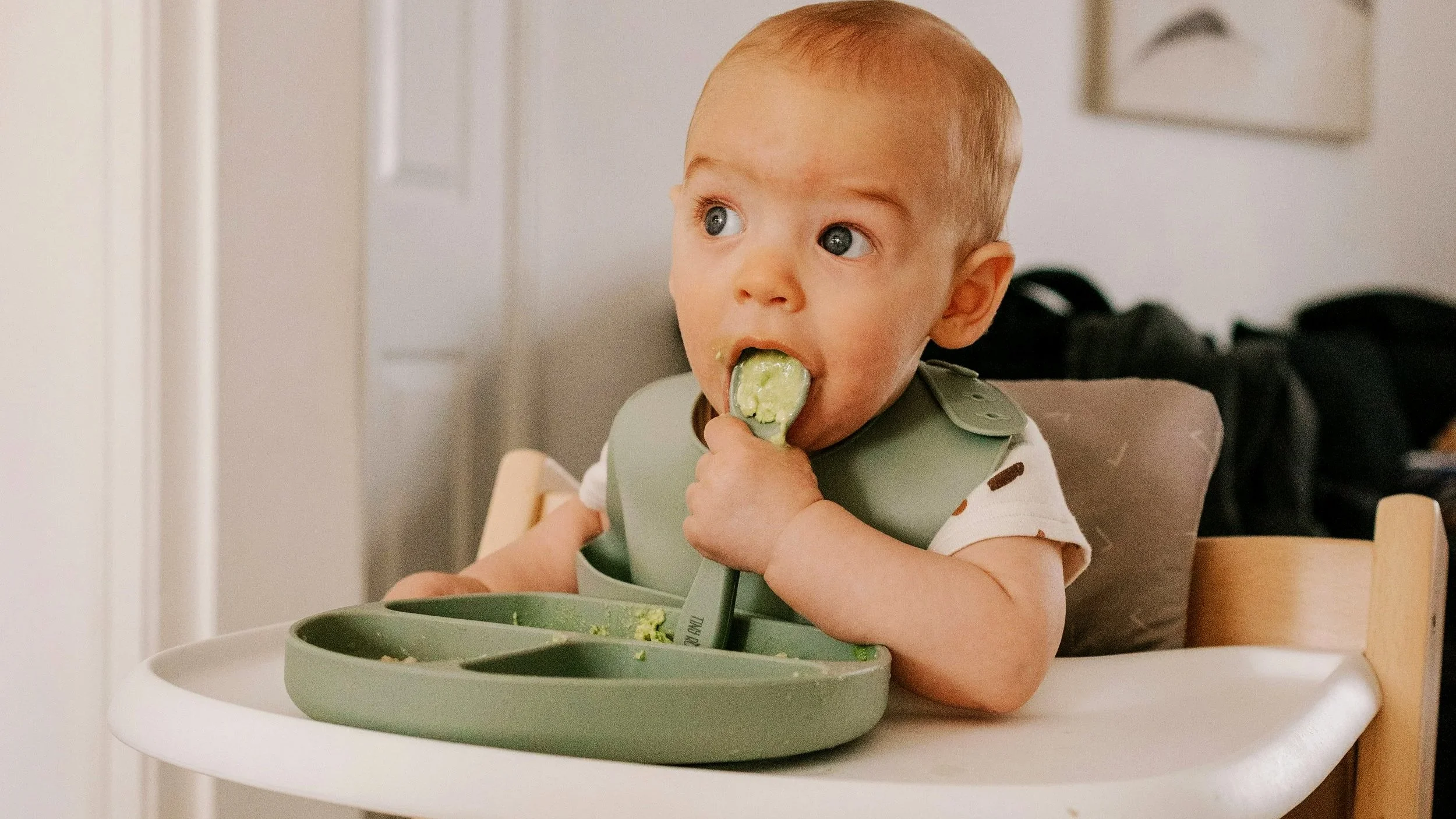
Introducing solid foods is an important developmental milestone, but for some infants and toddlers, the transition can be more challenging. Difficulties with texture tolerance, sensory processing, oral-motor coordination, or underlying medical conditions can affect a child’s ability to comfortably explore and accept new foods.
When solid foods are difficult, a variety of approaches may help support a child’s progress, including gradual texture introduction, guided sensory experiences, specialized feeding tools, or individualized strategies tailored to each child’s needs and developmental stage. The goal is always to make mealtimes safe, enjoyable, and supportive of healthy growth and development.
-

Alternative Feeding Methods
For some infants and children, oral feeding may not be possible due to medical conditions, developmental delays, or swallowing difficulties. In these cases, alternative feeding methods—such as tube feeding—are often necessary to ensure adequate nutrition and healthy growth.
While essential, these methods can also bring emotional and practical challenges for families. Support is provided through individualized guidance, education, and strategies to help families navigate feeding safely and confidently. When appropriate, a gradual transition to oral feeding may be explored, always prioritizing comfort, safety, and the child’s developmental needs.